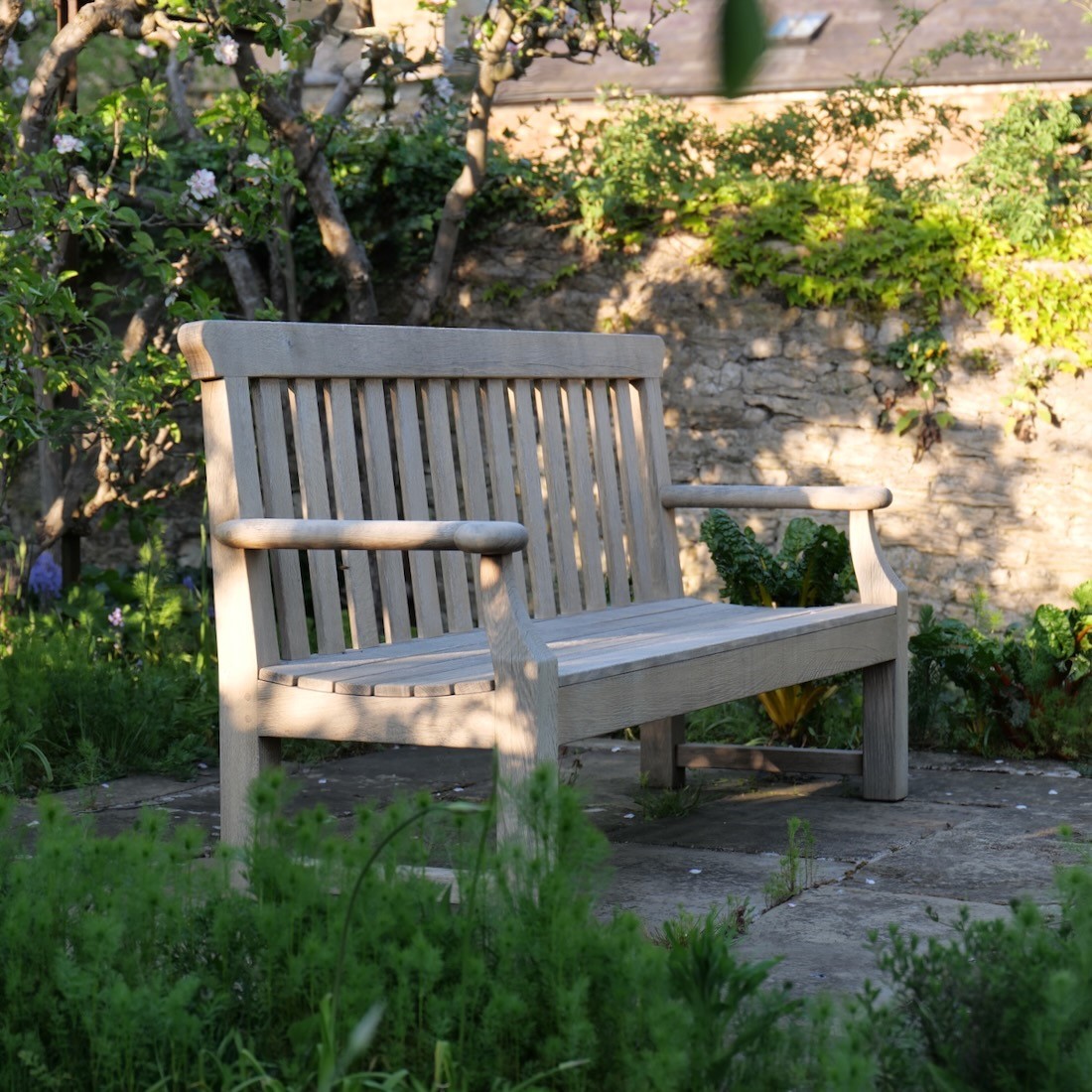
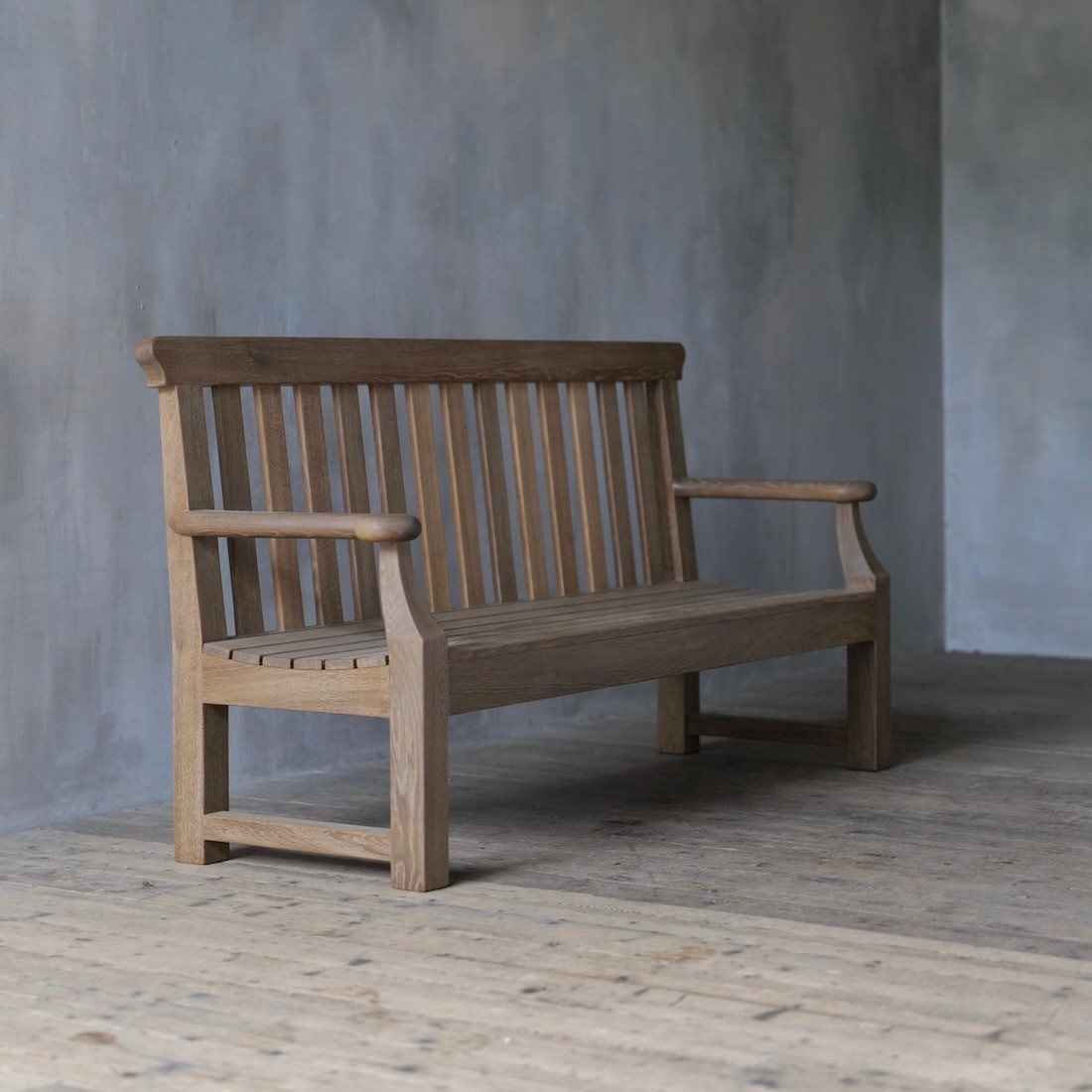
Study one | the peacock garden seat
The longer one spends looking at design, the easier it becomes to spot originality - both in terms of style and period of manufacture. And when you find both together, your heart lifts, as you make a connection to the creative spirit that brought this fresh beauty into our world.
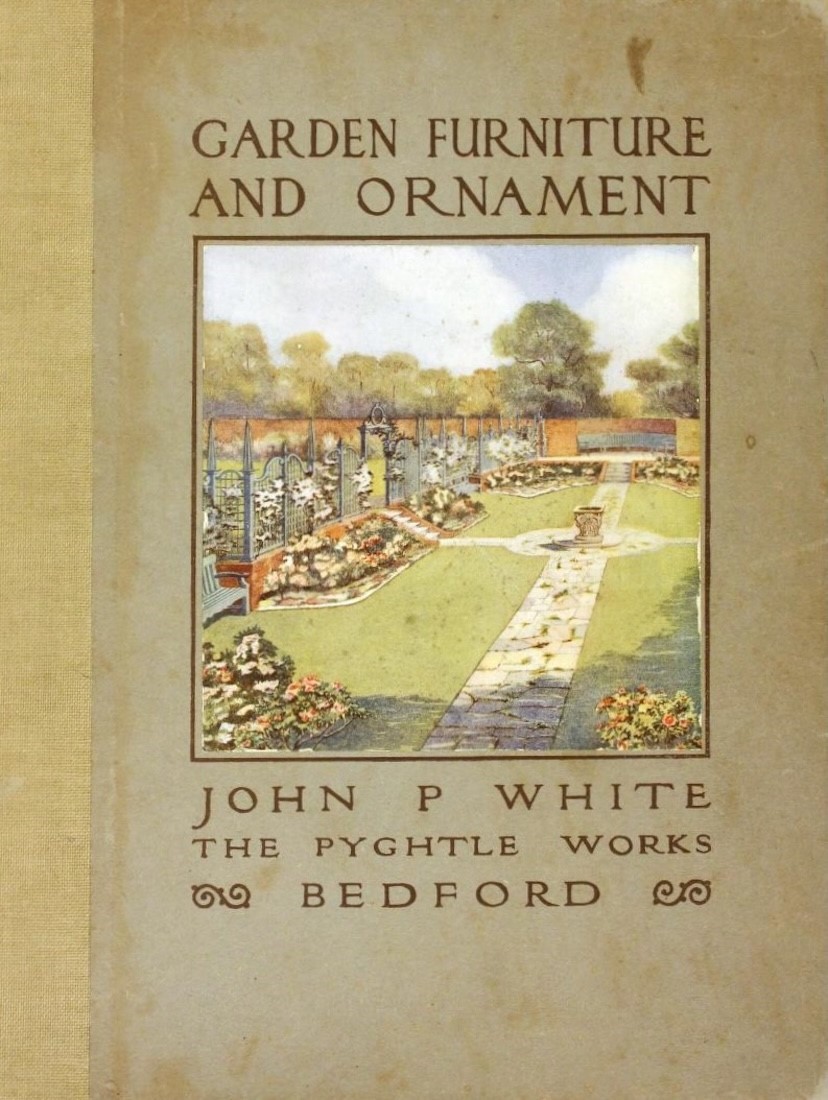
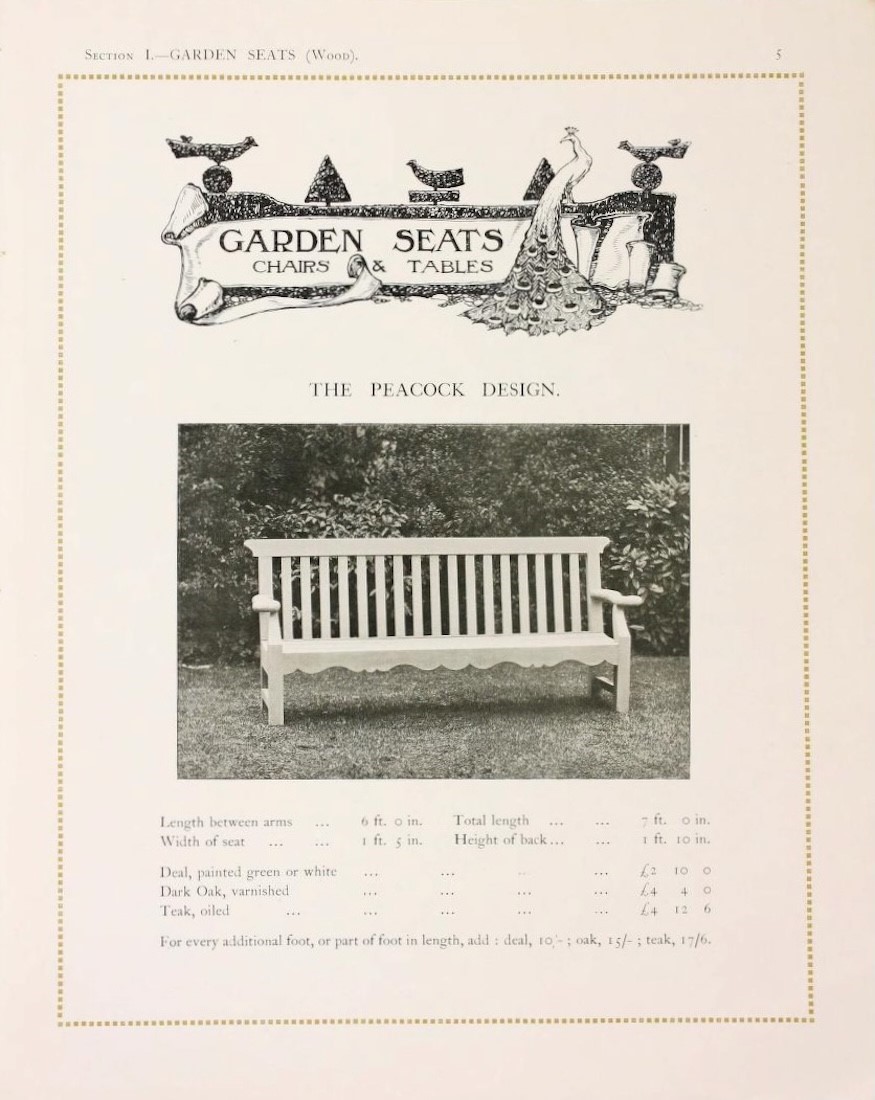
John Parish White, 1855-1917, served his apprenticeship as a builder before taking over the Bedfordshire building firm of John Hull in the mid-1880s. In 1896, he set up the famous Pyghtle Works, focusing on garden furniture and ornament, which by 1898 was producing hundreds of designs by architect Mackay Hugh Baillie Scott, C F A Voysey, C H B Quennell, W R Lethaby, Henry Wilson, C E Mallows and George Jack. He supplied Heal’s and Liberty & Co. and sold from his splendid showroom at 134 New Bond Street, London. Though this is remarkable, what I find most interesting is that in the two years before his partnerships with such luminaries, J P White was producing his own designs, and the first piece he made at The Pyghtle Works was the Peacock garden seat.
J P White is rightly lauded for the enormous success of his business, and in the antiques world, the romantic notion of him having once been a carpenter at Chatsworth House is still passed from dealer to dealer (I can’t find any evidence of this, though please someone, prove me wrong!), but of all the wonderful things he made and is associated with, the Peacock garden seat is his best known and most loved work.
I’m told the design was inspired by a seat he removed from a rectory (another romantic notion?!) that I suppose we’ll never see. But in seeing what he saw and applying what his craft had taught him, he gave us a design that’s been adored and enjoyed by gardens and gardeners (and antique dealers!) alike.
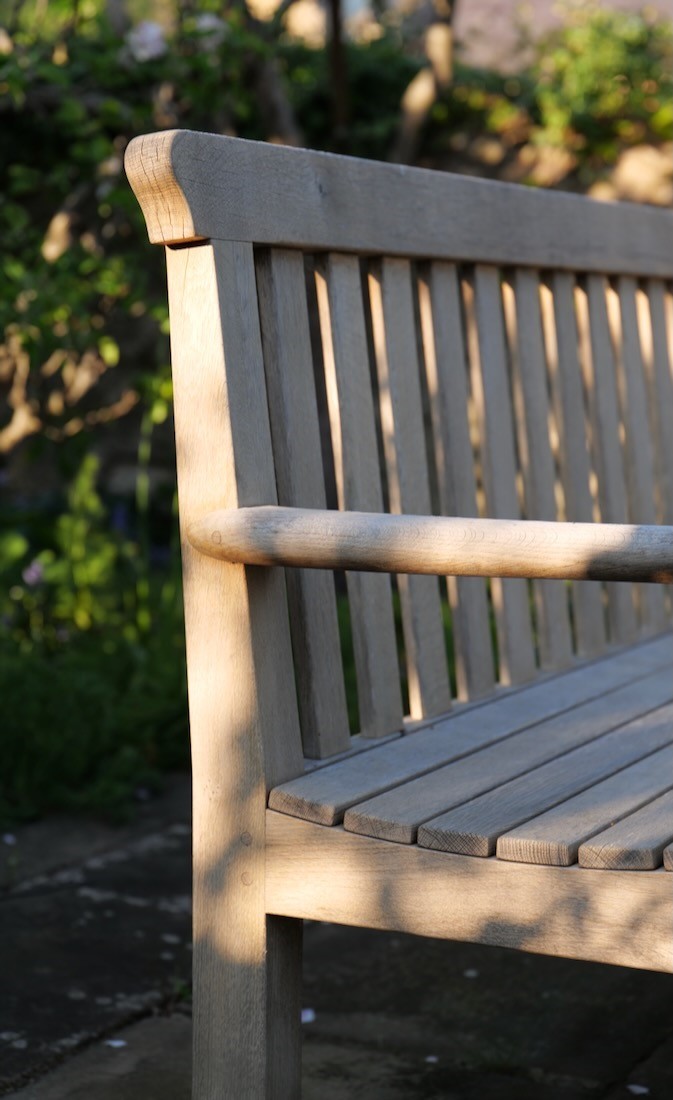
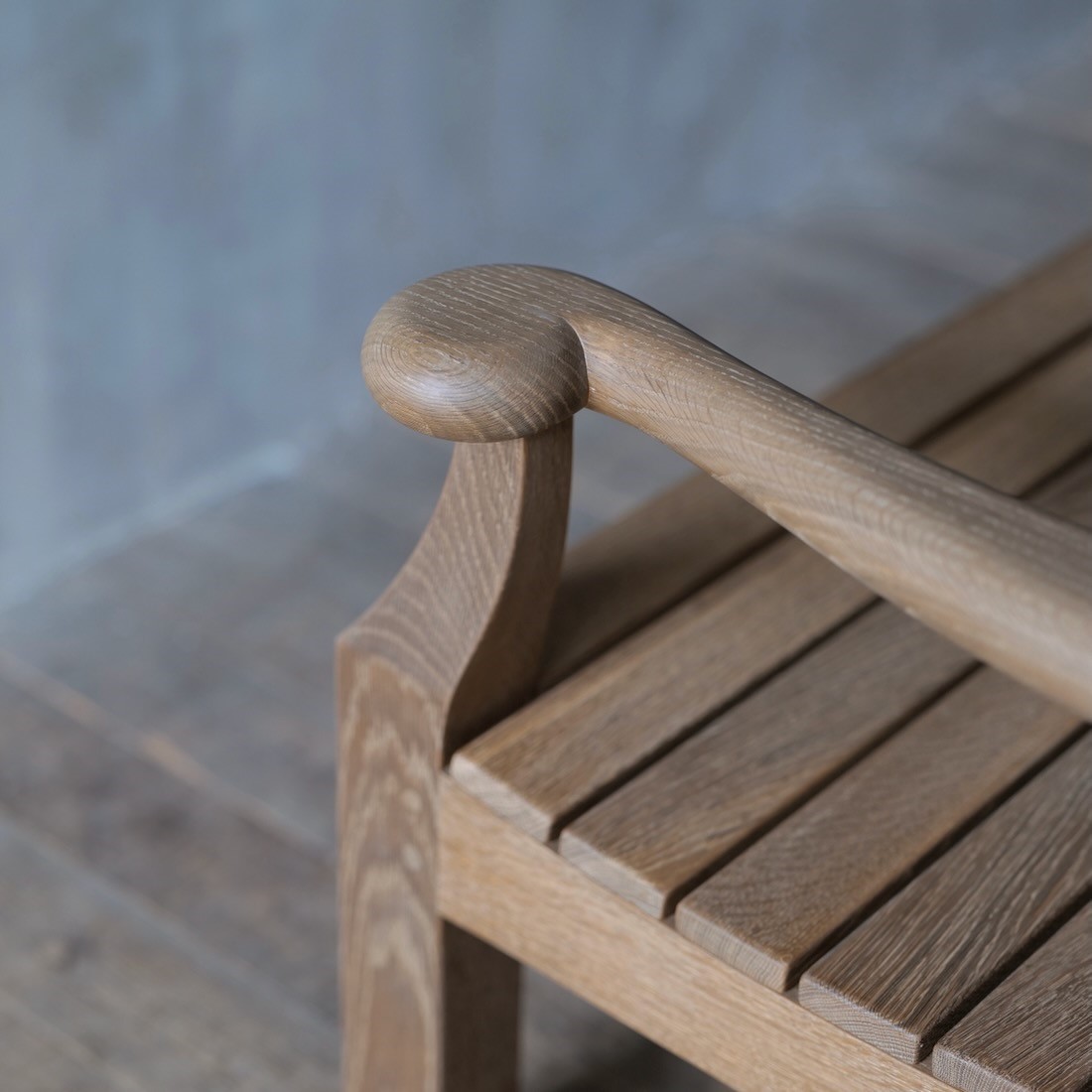
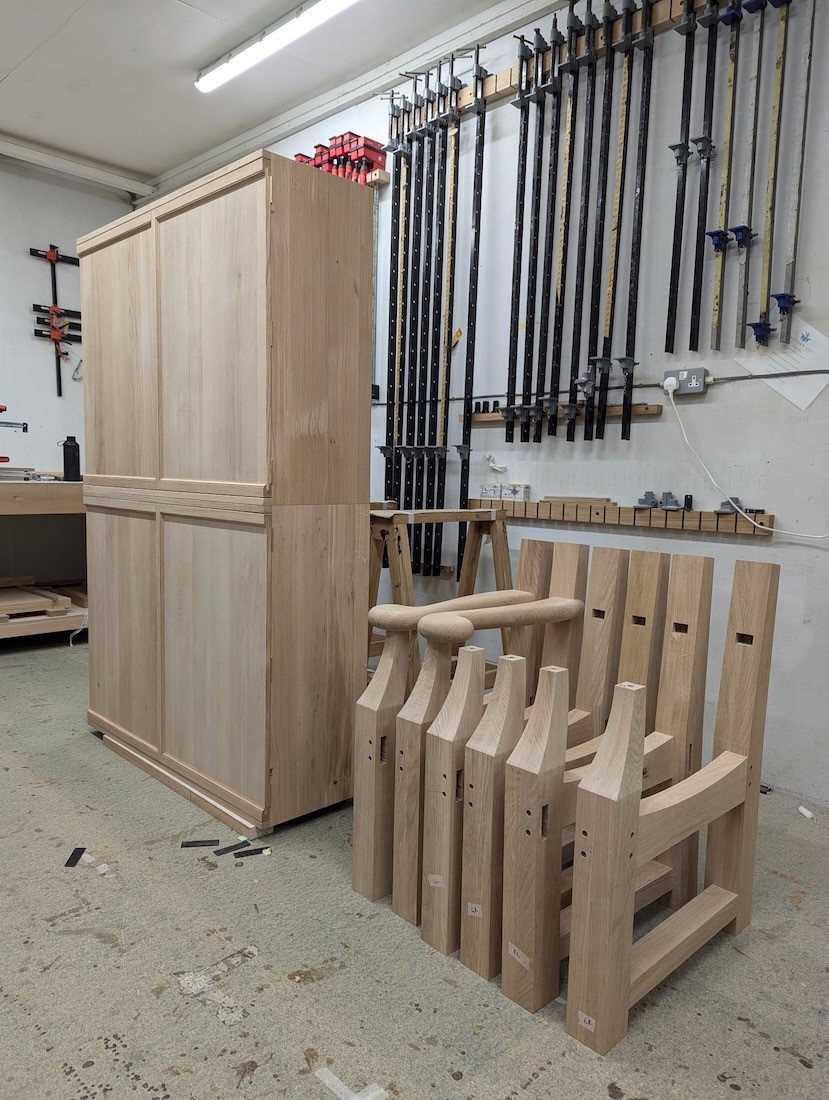
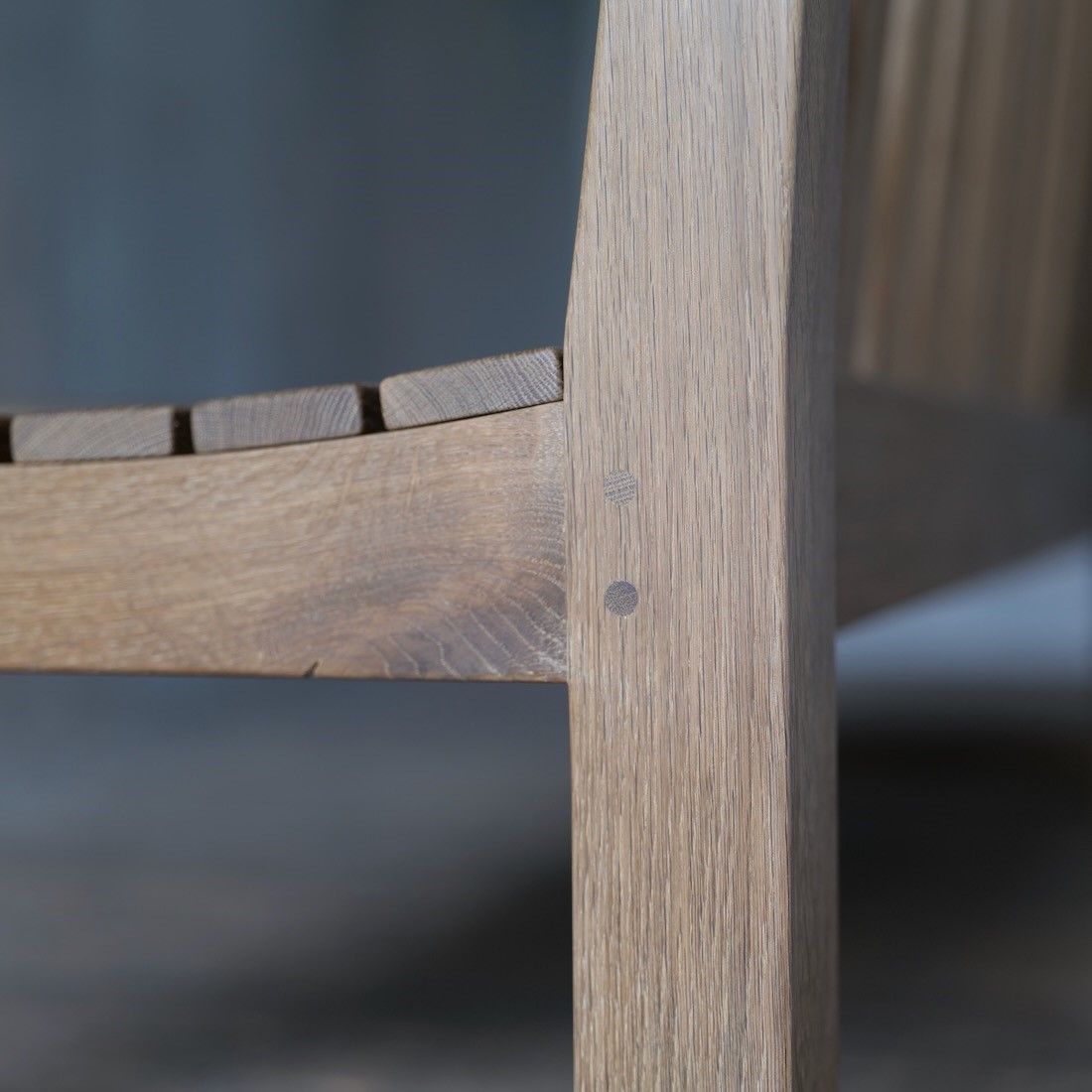
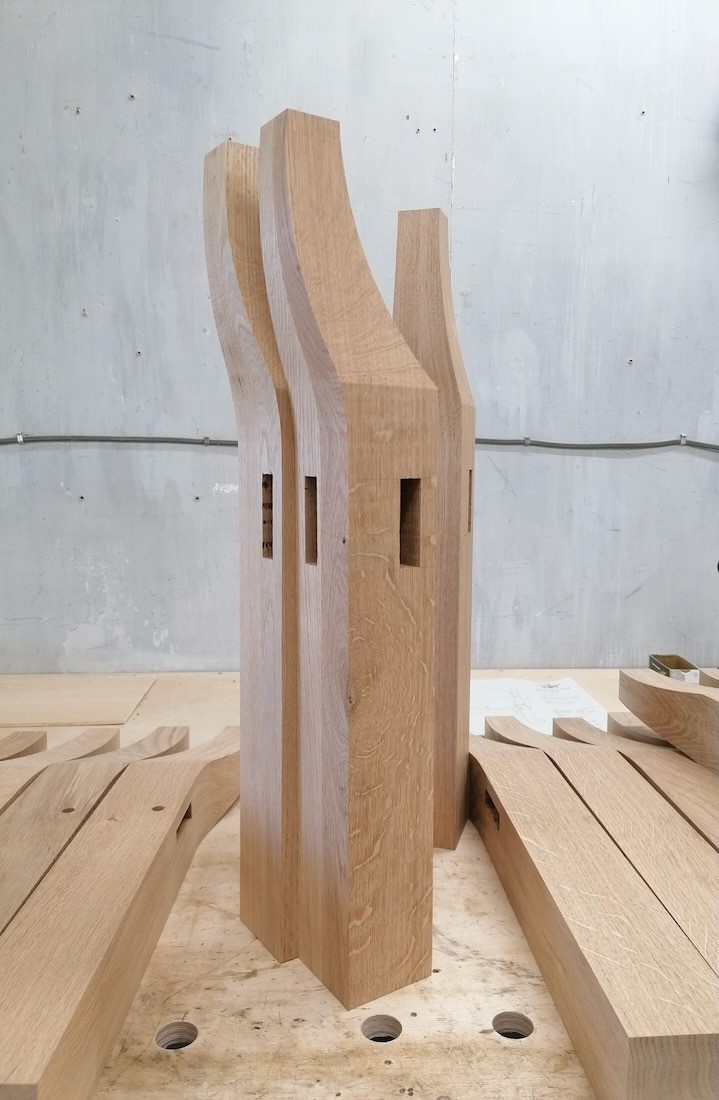
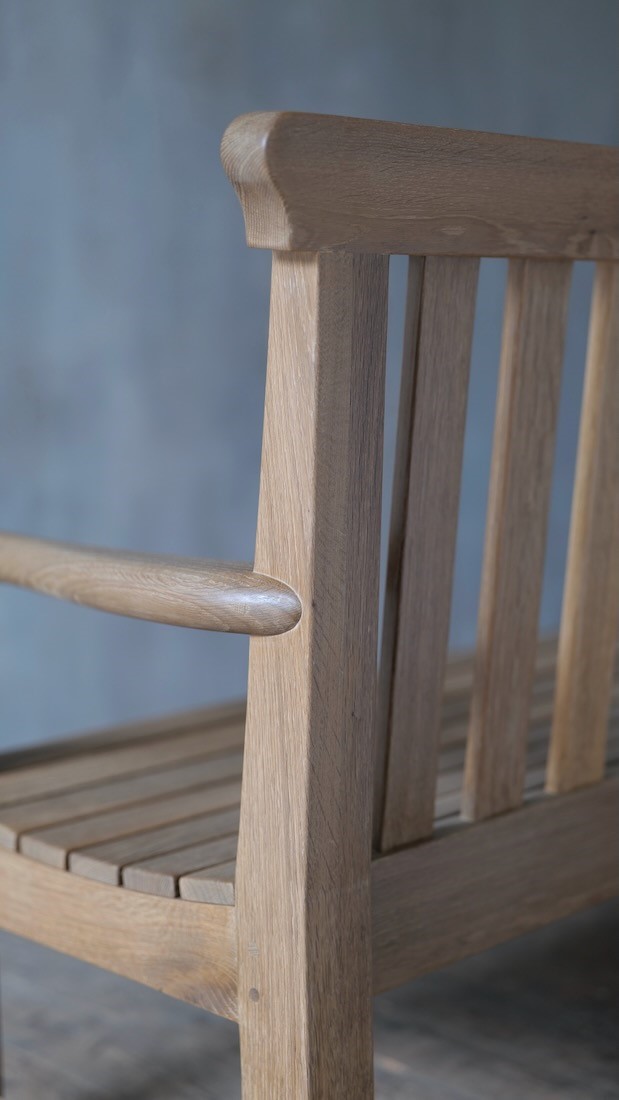
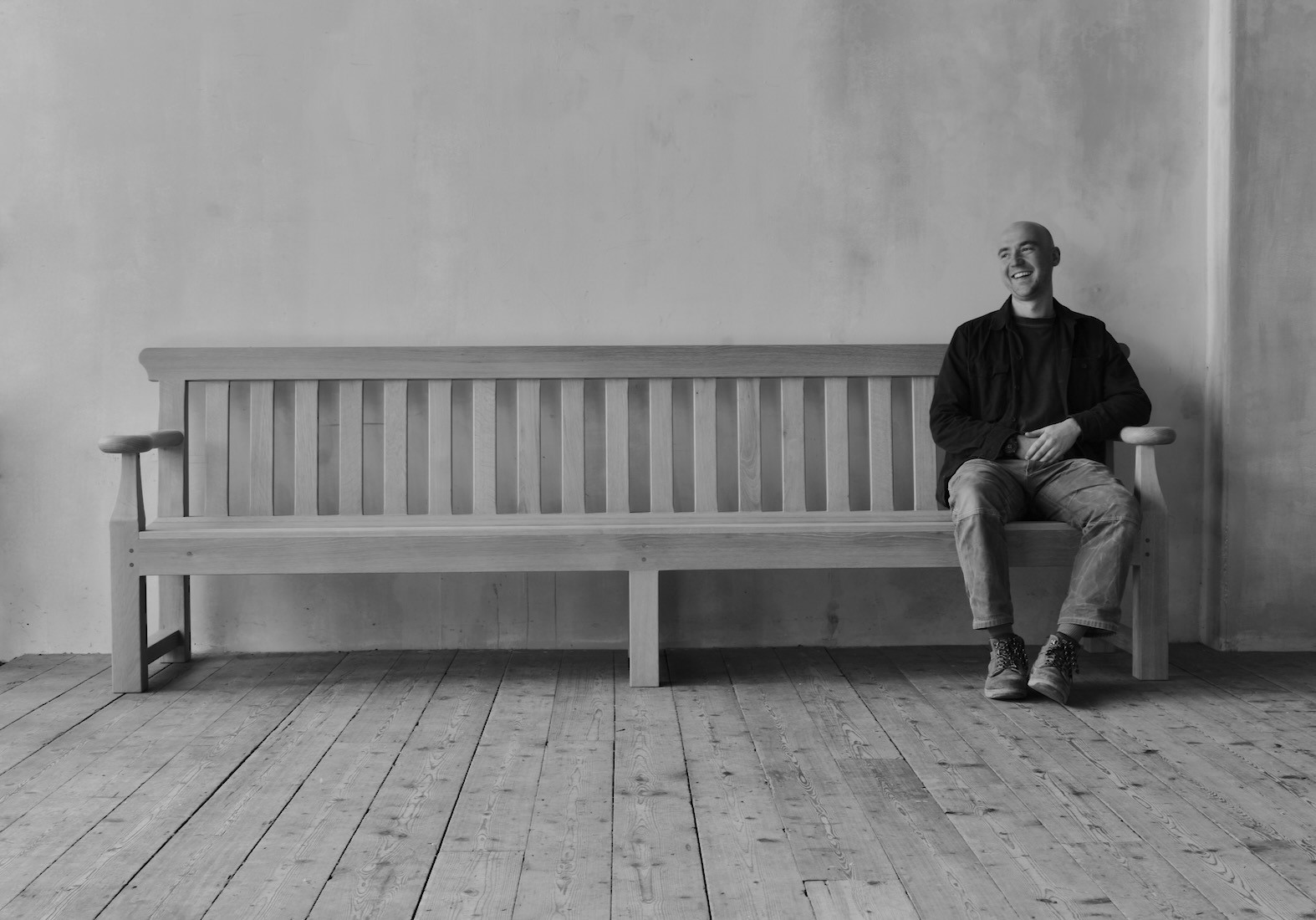
At Matthew Cox, we haven’t been inspired or felt the need to tweak or change anything about J P White’s bench, but it has inspired us to begin a series of studies of seminal works, so they can continue to inspire and bring joy into our lives.